
Lock and key problems never seem to happen at convenient times. Whether you're rushing to work, coming home after a long day, or dealing with a security concern, locksmith issues can disrupt your entire schedule and leave you feeling vulnerable. As New Lenox's trusted locksmith service at 2101 Calistoga Dr, we've seen just about every lock-related problem imaginable. The good news is that most common locksmith issues have straightforward solutions, and knowing what to do can save you time, money, and stress. In this comprehensive guide, we'll walk you through the most frequent locksmith problems our New Lenox customers face and provide practical solutions to help you handle these situations effectively.
Getting Locked Out of Your Home
Home lockouts are among the most common reasons people call a locksmith, and they can happen to anyone. You step outside to grab the mail, the door closes behind you, and suddenly you realize your keys are sitting on the kitchen counter. This frustrating scenario happens more often than you might think.
Common causes of home lockouts include:
- Keys left inside when taking out trash or checking the mail
- Lost or misplaced keys
- Keys locked in another room
- Damaged or broken keys that won't turn in the lock
- Lock mechanisms that have seized or malfunctioned
If you find yourself locked out, first check all other entry points – sometimes a back door or window might be unlocked. However, never break a window or damage your property trying to gain entry, as this will cost significantly more to repair than calling a professional locksmith. Contact a reliable local locksmith who can arrive quickly and gain entry without damaging your door or lock system. Professional locksmiths have specialized tools designed specifically for safe, non-destructive entry.
Prevention tips:
Consider giving a spare key to a trusted neighbor or family member who lives nearby. Install a keyless entry system or smart lock that allows you to use a code instead of a physical key. Keep a spare key in a secure lockbox rather than under the doormat or flowerpot where burglars know to look.
Broken Keys in Locks
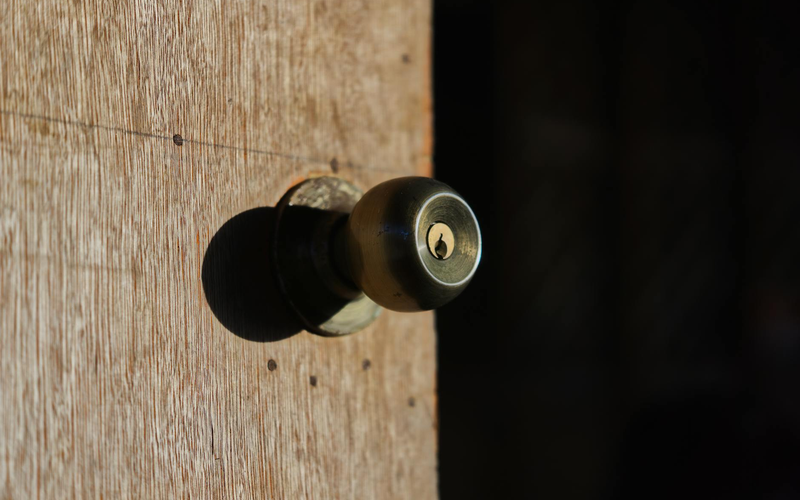
Few things are more frustrating than having a key break off inside a lock. This typically happens due to worn keys, forcing a sticky lock, or applying too much pressure when turning. The broken piece lodged in the lock cylinder prevents you from inserting another key, leaving you stuck.
Why keys break:
- Metal fatigue from years of use
- Attempting to force a key that isn't inserting smoothly
- Using excessive force on a lock that needs lubrication
- Poor quality key copies made from weak materials
- Frozen locks in winter months
If a small portion of the key is protruding from the lock, you might be able to grip it with needle-nose pliers and gently pull it straight out. Never use tweezers or push the broken piece further into the lock. You can also try applying a small amount of lubricant to help the piece slide out more easily. However, if you're unable to remove it within a few minutes, stop trying – you could damage the lock mechanism and create a more expensive repair.
Professional solution:
A professional locksmith has specialized extraction tools designed specifically for removing broken keys without damaging the lock cylinder. We can typically extract the broken piece in minutes and either provide you with a new key on the spot or repair any damage to the lock if necessary.
Jammed or Sticky Locks
When your key becomes difficult to insert or turn, you're dealing with a jammed or sticky lock. This problem often develops gradually, starting with slight resistance and eventually becoming impossible to operate. Many homeowners ignore the early warning signs until they're completely locked out.
Common causes of sticky locks:
- Dirt, dust, and debris accumulation inside the lock cylinder
- Lack of lubrication causing internal components to bind
- Misaligned door causing the bolt to catch
- Worn internal pins and springs
- Weather-related corrosion, especially in exterior locks
- Damaged keys that don't engage properly
Regularly clean your locks using compressed air to blow out debris. Apply a graphite-based lubricant specifically designed for locks – never use WD-40 or oil-based products, as these attract dirt and can gum up the mechanism over time. Insert your key and work it in and out several times to distribute the lubricant. If your door has settled or shifted, the deadbolt might be misaligned with the strike plate; a locksmith can adjust the alignment to ensure smooth operation.
When to call a professional:
If lubrication doesn't solve the problem, or if you notice the key turning but the lock not engaging, you may have internal damage that requires professional repair or replacement. Continuing to force a damaged lock can break your key inside the cylinder or cause permanent damage to the locking mechanism.
Lost or Stolen Keys
Losing your keys is stressful enough, but when you can't remember where you lost them or suspect they were stolen, it becomes a serious security concern. Unlike a simple lockout, lost or stolen keys require a different approach to ensure your home remains secure.
Security risks:
Anyone who finds your keys could potentially identify your address through items in your wallet or car registration and gain access to your home. If keys were stolen, the risk is even higher. Even if you believe your keys were simply misplaced, you can't guarantee they won't be found and used by someone with malicious intent.
Comprehensive solution:
The only way to completely secure your home after losing keys is to have your locks rekeyed or replaced. Rekeying is typically the more cost-effective option – a locksmith changes the internal pins and springs so your old keys no longer work, then provides you with new keys. This process is much less expensive than replacing all your locks while providing the same security benefits.
Smart alternatives:
Consider upgrading to smart locks that don't require physical keys at all. These systems use codes, smartphone apps, or biometric scanners, eliminating the risk of lost or stolen keys. You can also easily change access codes if security is compromised, provide temporary codes to service workers, and monitor who enters your home and when.
Car Lockouts and Automotive Key Problems
Modern vehicles present unique challenges when it comes to locksmith services. Today's cars often feature sophisticated key fobs, transponder chips, and computerized security systems that require specialized knowledge and equipment to service.
Common automotive locksmith problems:
- Keys locked inside the vehicle
- Lost or stolen car keys
- Broken key fobs or dead batteries
- Transponder key programming failures
- Ignition cylinders that won't turn
- Trunk lockouts
Unlike older vehicles, most cars manufactured after 2000 require transponder keys that communicate electronically with the vehicle's computer. You can't simply cut a new key – it must be programmed to match your specific vehicle. Professional automotive locksmiths have the diagnostic equipment and programming tools necessary to create and program new keys for virtually any make and model.
Prevention and solutions:
Keep a spare key fob in your wallet or give one to a family member. If you lock your keys in the car, a professional locksmith can gain entry without damaging your vehicle's window, door, or lock mechanism. For lost keys, a locksmith can create new keys and program them to your vehicle, often at a fraction of the dealership's cost and with much faster service.
Worn Out or Damaged Locks
Locks don't last forever. With regular use, internal components wear down, springs lose tension, and the entire mechanism becomes less reliable. Many New Lenox homeowners continue using locks long past their effective lifespan, compromising their home security without realizing it.
Signs your locks need replacement:
- Visible rust or corrosion on the lock body
- Loose or wobbly door handles
- Keys that stick or require jiggling to work
- Locks that don't fully engage
- Difficulty inserting keys into the cylinder
- Locks over 10-15 years old
- Visible damage from attempted break-ins
When replacing worn locks, consider upgrading to higher-security options. Grade 1 deadbolts offer superior strength and pick resistance compared to standard locks. Smart locks provide keyless convenience and remote monitoring. Reinforced strike plates with longer screws provide better resistance against kick-in attempts.
Professional assessment:
A locksmith can evaluate your current locks and recommend appropriate replacements based on your security needs and budget. We can also assess your entire home security, identifying weak points you might not have noticed, such as inadequate deadbolts, weak door frames, or exposed hinge pins.
Lock Installation Challenges
Many homeowners attempt DIY lock installation to save money, but improper installation can compromise security and even damage your door. Common installation problems include misaligned bolt holes, incorrect backset measurements, and improperly secured strike plates.
Common DIY installation mistakes:
- Drilling holes in the wrong locations
- Using screws that are too short to provide adequate security
- Failing to properly align the deadbolt with the strike plate
- Installing locks with incorrect backset for the door thickness
- Damaging the door finish during installation
- Choosing locks incompatible with the door type
Professional locksmiths ensure locks are installed correctly the first time, with proper alignment, secure mounting, and smooth operation. We have the specialized tools to drill precise holes, cut clean mortises, and install locks without damaging your door. Professional installation also ensures your locks meet local building codes and insurance requirements.
Malfunctioning Smart Locks and Electronic Systems
Smart locks and electronic access systems offer incredible convenience but can present unique problems that traditional locks don't face. Battery failures, connectivity issues, and programming errors can leave you locked out just as effectively as a broken key.
Common smart lock issues:
- Dead batteries preventing code entry
- Wi-Fi connectivity problems
- Programming errors after power outages
- Touchscreen malfunctions
- App synchronization failures
- Firmware update problems
Most smart locks have a battery backup or emergency power option – familiarize yourself with this feature before you need it. Keep spare batteries on hand and replace them according to the manufacturer's schedule. If experiencing connectivity issues, restart your router and the lock system. Many problems can be resolved by resetting the lock to factory settings and reprogramming it, though this should be done carefully following manufacturer instructions.
Professional smart lock service:
When smart lock problems go beyond simple troubleshooting, professional locksmiths with electronics expertise can diagnose and repair issues, update firmware, reprogram systems, and recommend reliable smart lock brands based on real-world performance in the New Lenox area.
Frozen Locks in Illinois Winters
New Lenox residents know that winter weather can wreak havoc on exterior locks. Moisture enters the lock cylinder and freezes, preventing key insertion or turning. This problem is especially common during the freeze-thaw cycles typical of Illinois winters.
Preventing frozen locks:
Apply a lock de-icer or graphite lubricant before winter arrives. Cover exterior locks with magnetic lock covers when temperatures drop. Ensure weatherstripping around doors prevents moisture accumulation. Some homeowners apply a small amount of petroleum jelly to their key before inserting it into cold locks to prevent freezing.
Safe thawing methods:
If your lock freezes, never pour hot water on it – this can damage the lock mechanism and refreeze immediately in cold temperatures. Instead, warm your key with a lighter or match and then gently insert it into the lock, allowing the heat to transfer. A hair dryer can safely warm the lock exterior. Lock de-icer spray is specifically formulated to melt ice without damaging lock components.
Commercial Lock and Security Concerns
Business owners in New Lenox face additional locksmith challenges beyond residential concerns. Commercial properties require more sophisticated security systems, master key arrangements, and compliance with various codes and regulations.
Common commercial locksmith needs:
- Master key system installation and management
- High-security lock installation
- Access control systems
- Panic bar and emergency exit compliance
- Safe installation and service
- Rekeying after employee termination
- Lock system audits and security assessments
Commercial locksmiths can design master key systems that provide different access levels for employees while maintaining complete access for management. Access control systems track who enters restricted areas and when. High-security locks resist picking, bumping, and drilling attempts. Regular security audits identify vulnerabilities before they're exploited.
Why Choose a Local New Lenox Locksmith
When facing any locksmith problem, choosing a local, established professional makes all the difference. Unlike national chains or unknown technicians, local locksmiths provide faster response times, better prices, and personalized service backed by community reputation.
Advantages of local service:
We're located right here at 2101 Calistoga Dr in New Lenox, which means we can respond quickly to emergency calls throughout the area. We understand the specific security challenges New Lenox residents face and recommend solutions appropriate for our climate and community. Our reputation depends on satisfied local customers, so we're committed to providing honest, transparent service at fair prices.
Emergency availability:
Locksmith emergencies don't wait for business hours. Whether you're locked out at midnight or dealing with a security breach on Sunday morning, professional locksmith services should be available when you need them. Fast response times minimize the disruption to your life and quickly restore your security and peace of mind.
Conclusion: Professional Solutions for Every Lock Problem
While some minor lock issues can be addressed with basic maintenance and care, most locksmith problems require professional expertise to resolve safely and effectively. Attempting DIY solutions on complex lock systems often results in additional damage and higher repair costs. Whether you're dealing with a simple lockout, broken keys, security upgrades, or sophisticated electronic access systems, professional locksmiths have the training, tools, and experience to solve the problem quickly and correctly.
At New Lenox Chicago Locksmith, we've been serving the New Lenox community with honest, reliable locksmith services for years. We understand the stress and inconvenience that lock problems create, which is why we're committed to fast response times, transparent pricing, and solutions that last. Our technicians stay current with the latest lock technology and security systems to provide comprehensive service for every type of lock and key problem.
Don't let lock problems compromise your security or disrupt your day. Whether you need emergency lockout service, security upgrades, or routine maintenance, we're here to help. Contact New Lenox Chicago Locksmith today for professional, dependable service from your trusted local locksmith experts. We're ready to solve your lock and key problems with the quality service that New Lenox residents have come to rely on.